After nearly four years of litigation, we are proud to share a significant victory in the High Court inDoor-O-Matic CC t/a Tight Fit Garage Doors v TD Motor Mania (Pty) Ltd and Another. This is a judgment that reaffirms important principles relating to settlement agreements and the conduct of litigants.
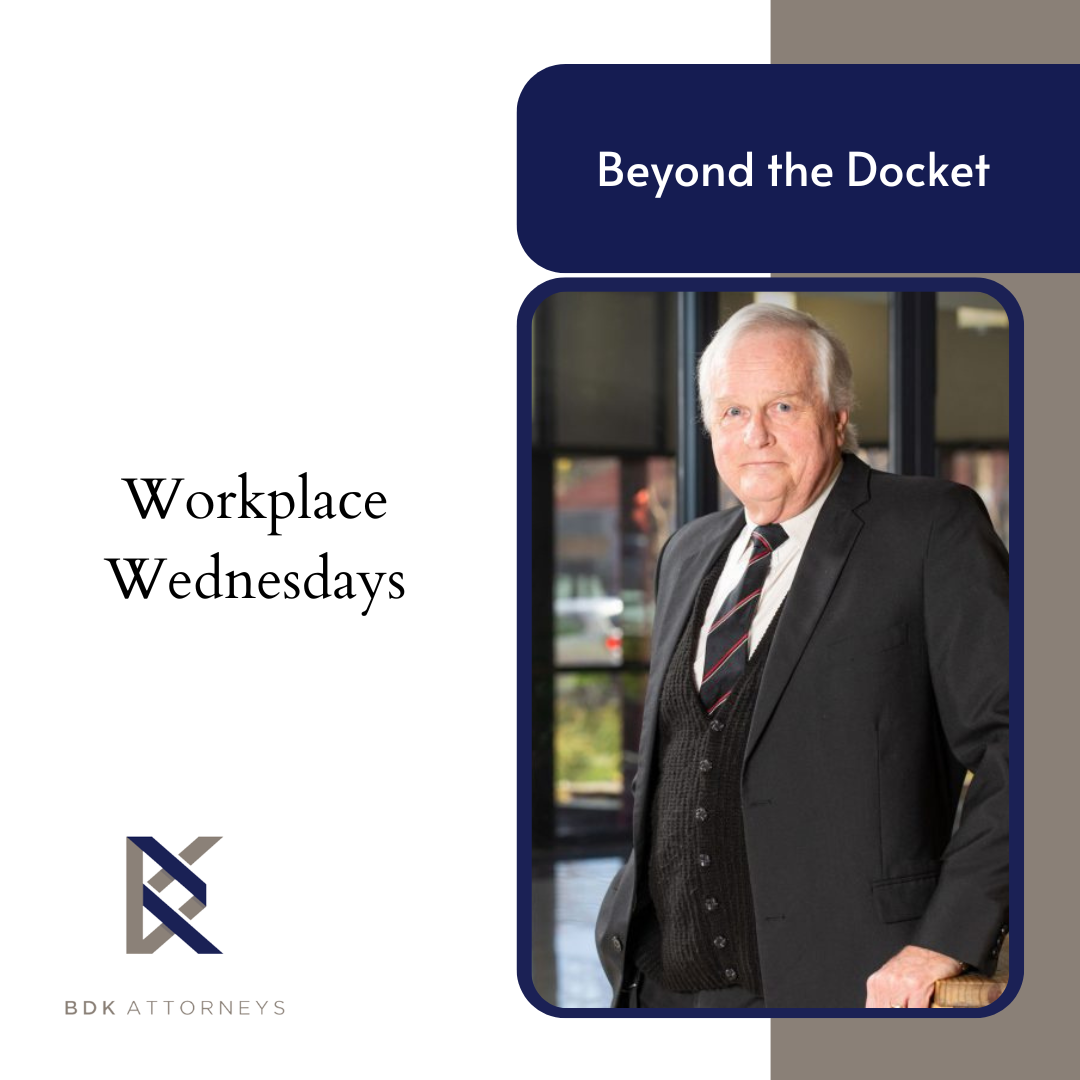
A special note of recognition must be given to our Mr Johan Eksteen, whose involvement in this matter was instrumental from inception through to conclusion. His steady guidance, strategic insight, and first-hand engagement in the settlement discussions ultimately proved pivotal in the Court’s assessment of the evidence.
This matter arose from a commercial dispute that, like many others, evolved into protracted litigation despite multiple attempts to resolve it. During the course of proceedings, the parties engaged in settlement discussions facilitated through their respective legal representatives. What followed is something many practitioners will recognise: an apparent agreement reached in principle, followed by a later attempt to resile from that position.
The central issue before the Court was whether a binding settlement agreement had, in fact, been concluded – notwithstanding the absence of a signed document and the fact that certain aspects, such as costs, had not yet been finalised.
The Court approached the matter on a balance of probabilities and placed significant emphasis on the conduct of the parties and their legal representatives. In doing so, it reaffirmed several key principles:
- A settlement agreement does not need to be reduced to writing to be binding.
- An attorney of record, acting within the scope of their apparent authority, can bind their client in settlement negotiations.
- Not all terms, including costs, are necessarily material to the conclusion of a valid agreement.
- Where evidence is left largely unchallenged under cross-examination, a Court is entitled to accept that version.
- A party cannot unilaterally withdraw from a settlement once consensus has been reached.
Importantly, the Court found that a valid and binding settlement agreement had been concluded and made it an order of Court, bringing the litigation to an end.
This judgment serves as a reminder of the weight that Courts attach to the integrity of settlement processes. Parties are expected to engage in negotiations in good faith, and once agreement is reached, they will be held to it.
We are grateful to have guided this matter to its conclusion and to have secured a just outcome for our client after a lengthy and challenging process.
Meet Johan Eksteen
#BDK #BDKAttorneys #Attorneys #CivilLaw #CriminalLaw #FightingYourFight #LookingForALawyer #NeedALawyer #SouthAfricanLaw #LegalAdvice #KnowYourRights #Litigation #HighCourt #SettlementAgreements #LegalPrinciples #DisputeResolution